There isn’t one best exercise for hypermobility, hEDS, or HSD. Looking for that one best option can actually hold people back, and it’s exactly why so many people feel stuck, confused, and worried about exercise.
You may have been searching for this answer already. That’s understandable because patients are often told to “just exercise” with no specific guidance given. You are not alone.
Thousands of people with hypermobility are searching for this answer every day. Should it be Pilates, reformer Pilates, strength training, walking, swimming, or yoga? There are so many choices, but which one should it be?
The truth is, the same exercise that makes one person feel stronger and more confident in daily activities can leave another person flared, exhausted, or in more pain.
When you have an unstable, bendy body that may have let you down before, it’s normal to feel confused and worried about exercise. There really isn’t a one-size-fits-all approach.
Key takeaways
- There isn’t one best exercise for hypermobility, hEDS, or HSD. The right one depends on your body, symptoms, current baseline, and pace, not a fixed program everyone follows the same way.
- Success comes down to how an exercise is introduced and adapted, not just what exercise you choose.
- Pilates can help, but only when it’s modified for hypermobility and taught by someone who understands the condition.
- Real progress is usually gradual. Better sleep and less tension often show up before visible strength gains.
- The Zebra Club builds breath, pacing, and proprioception into every session from the very first class.
Why “Just Do Pilates” or “Just Swim” Doesn’t Work for Everyone
Most of us have been told to exercise, then handed almost no useful instructions on how. “Just do Pilates,” “just go swimming,” or a generic sheet of exercises that was never built for a hypermobile body.
Success isn’t determined by WHAT exercise you choose. It is determined by HOW that exercise is presented to you, introduced, adapted, progressed, and matched to your individual needs.
That’s why you will find some people with hypermobility saying Pilates changed their lives, while others say it made them worse. They had very different experiences of the same activity. It’s not that they did anything wrong, but we have to ask if they had the capacity at that time to do that exercise.
One person may have good body awareness, adequate strength, and enough capacity to tolerate the movements. Another person may be living with chronic pain, autonomic dysfunction, fatigue, poor proprioception, or repeated injuries.
Asking both people to perform exactly the same program is like prescribing the same medication at the same dose to every patient, regardless of their condition. That would never happen. Why should exercise be any different?
Exercise can have a profound impact on someone, but let’s take the time to get it right for each person.
At The Zebra Club, we believe movement should meet you where you are today. Sometimes that means beginning with breathing practices, nervous system regulation and gentle awareness.
Other times, it may mean modifying the range of motion, reducing the load, or changing the environment so your body can experience safety.
What Actually Determines the Right Exercise for You
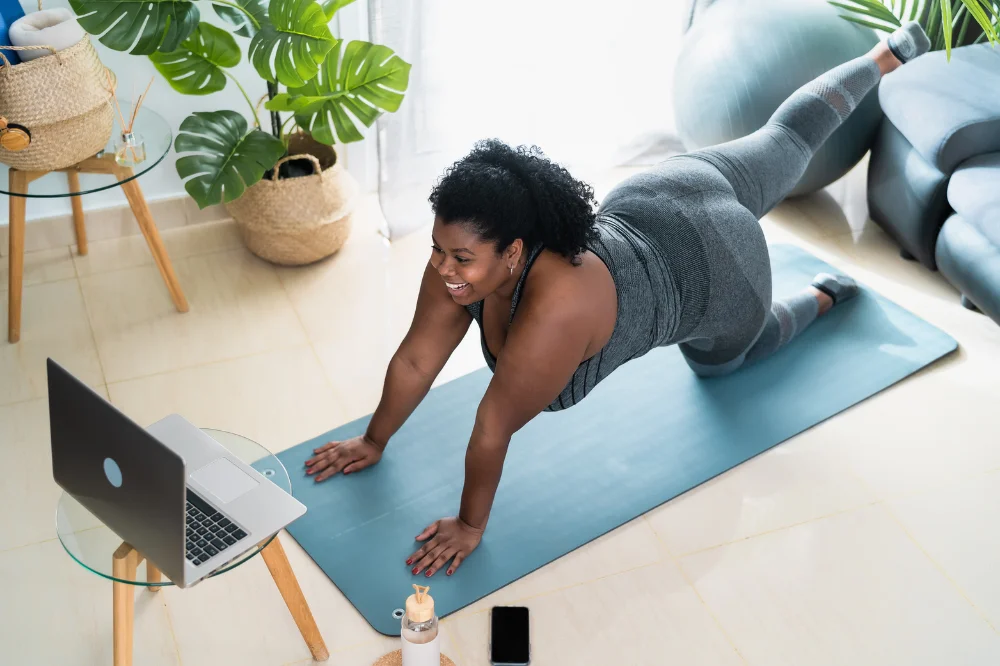
The real question, therefore, is not What’s the Best Exercise for Hypermobility, but rather What’s the RIGHT exercise FOR ME, right now? This may change over time, even from day to day.
The right exercise isn’t the latest trend or the one that carries the label ‘for hypermobility’. It’s the one that really matches your body, your goals, your current capacity and does not increase your pain or fatigue.
If you’re wondering whether a specific exercise is safe for your body in the moment, I’ve written a full checklist. But there’s a second question that matters just as much: how do you know if the program itself is actually built for you?
Before starting any exercise program, ask yourself these questions:
1. Does it meet me where I am today?
Many programs assume that everyone starts from the same place, but with hypermobility, that is rarely true. Your individual starting point matters. That’s why in The Zebra Club we have three levels of foundations – you can choose your starting point.
2. Does it help me feel safe and build confidence before challenging me?
Exercise should not leave you feeling as though you failed or weren’t good enough to keep up. A well-designed program creates early success. It gradually increases confidence before increasing load or complexity.
3. Is it adaptable to me?
Symptoms in hypermobility can vary from day to day, or even hour to hour. Pain, fatigue, autonomic symptoms, hormonal changes, stress, illness and even a doctor’s appointment can influence what your body can tolerate.
A good program gives you options – it helps you adapt without feeling like you failed.
4. Does it teach safe movement, not just prescribe exercise?
A list of exercises isn’t enough. You need to understand WHY you are doing them, what sensations you are aiming for, and how to recognize when your body is compensating.
Learning these skills is so important to help you become more independent and confident in real life.
5. Does it understand the whole person?
We are not individual joints, although traditional rehab often focuses on single joints. We need to look at the whole body and the whole system and how these impact movement. A program that only focuses on strengthening the muscles is often missing a large part of the picture.
6. Does it progress appropriately?
Many programs either progress too quickly or not at all – they assume you are at a certain level and stay there. Progression should be individual to you, not based on a calendar and set data points.
A few warning signs to watch for, since not every program marketed for hypermobility has actually been designed for it
- It promises it’s the best for everyone
- Encourages you to work harder than everyone else and push through
- Doesn’t offer modifications or different starting points
- Focuses heavily on stretching
- Makes you feel like you are failing if you need to slow down
What This Looks Like Inside The Zebra Club
At The Zebra Club, we don’t believe in throwing people into a workout and hoping for the best. Every program is built around one simple principle – meet your body where it is today and help it move forward safely. That’s why our programs and classes look very different from the typical advice given.
A foundational session may include breathing strategies to reduce guarding and muscle tension, gentle mobility to build body awareness, proprioceptive exercises and simple stability moves to help you feel safe in your own body.
These are ‘easy’ exercises – they are the building blocks to a solid movement practice that is sustainable. Say goodbye to the hypermobility boom-and-bust cycle.
We follow a sequence, not a random collection of exercises. Rather than jumping straight into strength work as many people prescribe, we guide members through a progression that helps their bodies prepare for movement before asking them to produce movement. That’s rare in the hypermobility exercise world.
We teach pacing from the beginning – you don’t need a separate pacing program – it’s built into everything we do. One of the biggest reasons people stop exercising with hypermobility is that they do too much on a good day and pay for it afterwards. I say “don’t let the good days fool you”. Keep to the strategy. Consistency is the key, even if that means small steps.
Members get hands-on pacing guidance from sessions like Occupational Therapist Jo Southall’s and Exercise Physiologist Emily Cochrane’s, built specifically around the energy demands of hEDS and HSD, not generic advice to “listen to your body.”
We adapt movement to the individual. No two members follow the same path. That’s pretty unique compared to a generic program. The same exercise can be performed in The Zebra Club with different ranges, different positions, different levels of support, or different amounts of resistance.
The goal isn’t perfection but the version of movement that helps you the most.
What Changes, and When
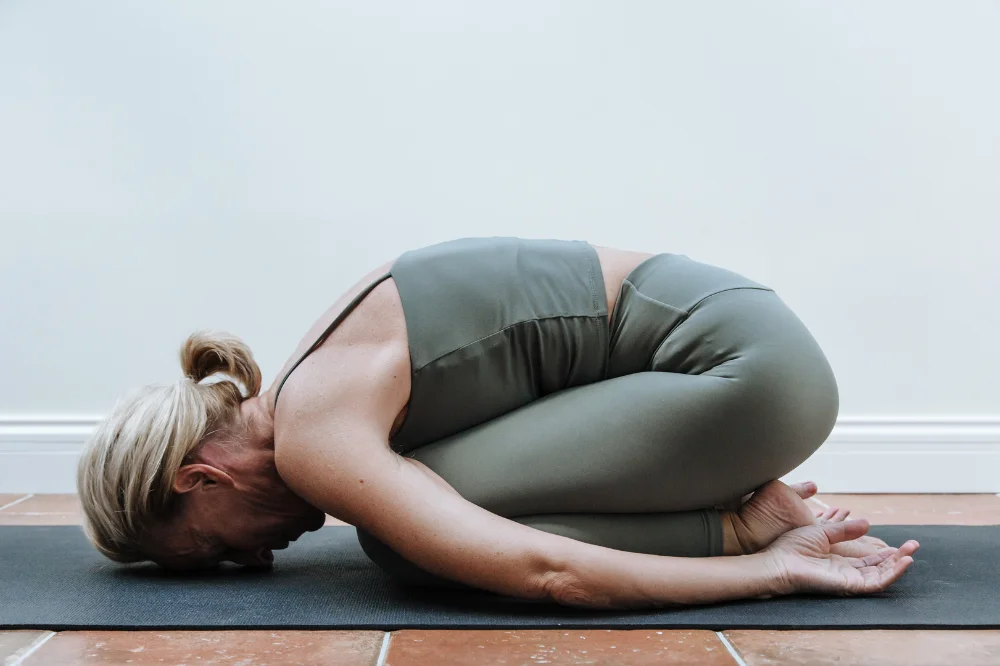
Progress with hEDS and HSD rarely looks like a single turning point. Most members notice smaller shifts first, like sleeping a little better or feeling less tense, before they notice changes in strength or stability.
One of the biggest misconceptions about exercise is that progress should be obvious in a few weeks. For people with hEDS or HSD, progress rarely looks like a dramatic transformation in 6 weeks. It tends to happen gradually, with lots of small improvements that build on each other over time.
Many of our members notice changes they weren’t expecting long before they notice they are getting stronger. Maybe they sleep without pain, their shoulders feel less tense at the end of the day, they recover quickly after walking, they are less anxious about movement, they socialize more, they feel steadier walking upstairs or carrying the shopping.
These early changes matter because they are a sign your nervous system is happy and adapting. Your body is becoming more resilient.
Slower doesn’t mean you are failing. We often compare ourselves to others and try fitness programs that promise quick results. But a slower pace isn’t a sign something is wrong. It is what is needed to create lasting change.
Building stability, calming an overprotective system, and increasing tissue tolerance all take time. Trying to rush this process usually leads to setbacks rather than faster progress.
At The Zebra Club, we’d rather help you make steady progress that lasts rather than chase quick fixes that don’t.
Real Members, Real Starting Points
Every member starts from a different baseline, and that’s exactly the point.
One of the most rewarding parts of our community is seeing just how different everyone’s starting point is and then seeing how people progress from there. It doesn’t matter where you are starting from. We have something for everyone.
Some members join us after receiving a new diagnosis. Others have spent decades trying countless exercise programs that left them feeling worse. Some are returning after surgery, pregnancy, or a period of burnout.
Others simply want to maintain activity as they age and see the impact of the menopause on hEDS and HSD.
There is not one ‘typical’ Zebra Club member because there is not one typical hypermobile body. That’s why we do not expect everyone to follow the same path. Instead, we help each member begin where they are, build confidence at their own pace, and celebrate the progress that is meaningful to them.
Whether your goal is to walk your dog without pain, return to the gym, keep up with your children or grandchildren, travel on a plane or long car journey to see family and friends, or simply feel more comfortable in your own body – we have the right place to begin for you.
“Over the 7 months or so since I’ve been doing The Zebra Club exercises, I’ve really experienced a change in my body – much more stability and strength, particularly in my back, shoulders and glutes.” – Daisy
Ready to find your starting point?
The Zebra Club’s foundational sessions are built around exactly what this article walks through: breath, pacing, and proprioception, adapted to where your body is today. [Join The Zebra Club] and start from wherever that is.