

Many of us with hypermobility and EDS have asked ourselves some version of this question: Am I bad enough today to justify stopping?
Perhaps you’ve been taught to push through pain. Or you try to keep going, or to only rest when you are completely exhausted. You tell yourself you will rest tomorrow or after just one more task.
But for many people living with hEDS and HSD, that moment is often too late. One of the most valuable lessons I have learnt personally and through working with our community is that rest isn’t something you have to earn.
Rest can be a useful and essential tool. If we can learn to recognize the early signs that the body is asking for a different approach, it can be transformational.
That’s one of the reasons I created The Zebra Club – to help the community learn how to work WITH their bodies rather than constantly feeling in a battle with themselves.
Key takeaways
- Rest is not something you earn by reaching a certain level of exhaustion. Feeling “not quite right” is already enough reason to slow down.
- People with hEDS and HSD expend more energy than most just to get through a normal day, which means overriding rest signals adds load to a system that is already stretched.
- Responding to early warning signs before you hit the wall, including increased tension, brain fog, or feeling wobbly, is more effective than waiting for a full flare.
- In the Integral Movement Method, rest and movement are not opposites: rest means finding the level of movement your body can receive right now.
- The Zebra Club’s Rest and Restore programme was built for the “not quite right” days: not a full workout, not complete rest, but gentle restorative movement that keeps fascia hydrated and supports nervous system regulation.
The Question Many of Us With Hypermobility Ask Ourselves
I had a real dilemma recently, and maybe you can relate. I think it is a quiet question that many of us might have with ourselves: Am I sick enough? To cancel? To rest? To not push through today? It is an uncomfortable place.
You’re not at your worst, so you tell yourself you should keep going. You may try to minimize that feeling or compare it to what you did last week.
Recently, I had a cold that turned for the worse, but I caught myself thinking, ‘Other people have colds, and they carry on.’ I’ve done this before, of course.
The first time I had pneumonia in 2009, I saw a consultant on a Monday. He said I needed to come into the hospital for a stay. My first question was ‘Will I be ready by Friday, as I have a course booked?’ I really wanted to start my Pilates training at Polestar.
He calmly looked at me and said, “Jeannie, you are not well enough just now for anything. The course can wait.” I was quite prepared to push through.
Looking back now, I can see this story wasn’t just about having pneumonia. It reflected a pattern I’d developed over many years living in a hypermobile body.
People who live with hEDS or HSD often become experts at pushing through discomfort because pain, fatigue and instability are part of daily life. We become so used to functioning despite symptoms that it can be difficult to recognize when the body genuinely needs to slow down.

Why Pushing Through Is Harder on a Hypermobile Body
People with hypermobility often start the day using more energy than they realise. Our muscles work harder to stabilize joints, our nervous system is constantly processing more sensory information, and many are also managing conditions like POTS, MCAS, and fatigue.
What looks effortless on the outside may require a huge amount of effort behind the scenes.
This is why ‘push through’ messaging can be so harmful. Repeatedly overriding the body signals and not practicing pacing can contribute to a boom-and-bust cycle. Over time, repeated booms and busts can make the nervous system more sensitized, and recovery takes longer.
I used to push through my pain and fatigue. It was really hard for me to accept that resting did not mean I was weak or that I wasn’t trying hard enough. I felt like a failure, to be honest.
Listening to your body doesn’t mean avoiding challenges or becoming fearful of movement; it means recognizing the difference between effort and pushing beyond your current capacity.
Practices that encourage rest are an integral part of The Zebra Club design. It was not an afterthought or an add-on, but rather something encouraged. There is a range of soothing meditations, programs that emphasise rest and recovery, and a community that helps support you.
What Your Body Is Telling You Before a Flare
My question is: What if we stopped measuring our need to rest against how ‘bad’ we feel?
What if feeling ‘not quite right’ was already enough? Rest isn’t something you earn by reaching a certain level of exhaustion or illness. It’s something we need to listen to. The earlier we listen, the better.
For many of us with symptomatic hypermobility, the earliest signs we need to slow down aren’t dramatic.
There might be more muscle tension, increased headaches, finding it harder to concentrate, feeling wobbly or dizzy, breathing more shallowly, or noticing movements feel harder than usual. These are not signs of failure, but vital pieces of information.
Try not to dismiss these early signs. For many years, I worked 6 days a week with daily headaches. My body was clearly trying to tell me something. I ignored it most of the time.
Maybe you also tell yourself you will rest on the weekend or run one more errand and then rest. I have found it is best not to wait until the point when the body leaves us no choice, and we crash.
Listening earlier doesn’t mean you have to stop every time you feel uncomfortable. It means becoming curious about the messages your body is sending you before they become impossible to ignore – like my pneumonia.
This can look like taking short breaks, changing your plans, choosing a gentler movement session, lying supine and breathing or simply closing your eyes for a moment and taking a long, deep breath.
These may seem like small things, but over time they can change the pattern from constantly reacting to flares to preventing them from escalating.
This is something we practice together every day in The Zebra Club. We learn to recognize the quieter signals, respond with curiosity instead of guilt, and make movement decisions that support long-term health and sustainability.
Why Rest Looks Different When You Have Hypermobility or EDS
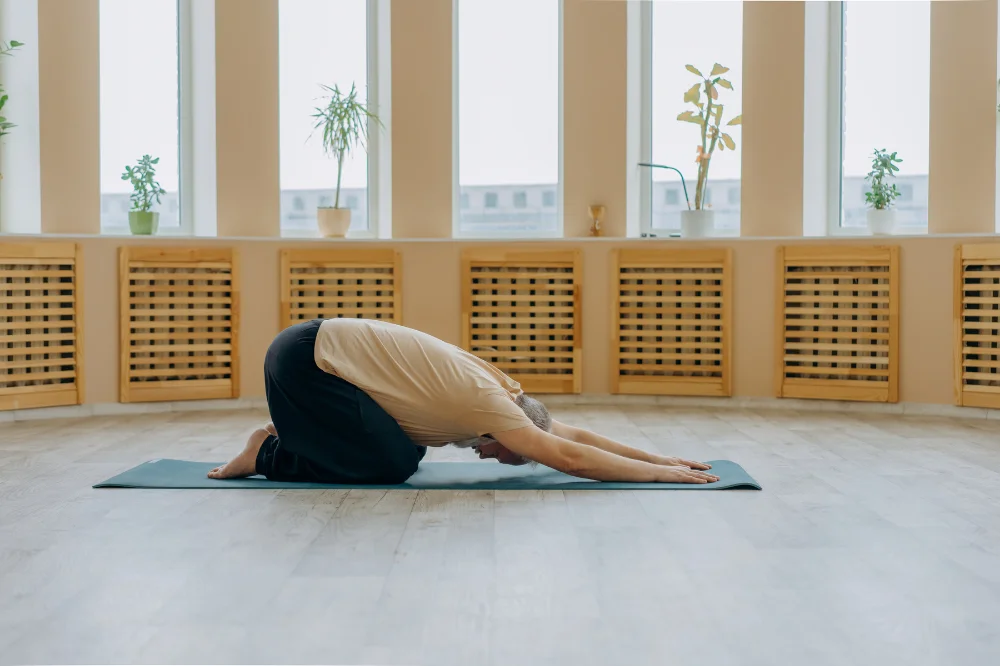
When we hear the word rest, we may imagine stopping completely – lying on the sofa, staying in bed or avoiding movement altogether. Sometimes this is exactly what we need. But sometimes, complete inactivity isn’t the most restorative option.
Our joints rely heavily on our muscle tone for stability. Connective tissue responds well to gentle movement, and our nervous systems can respond to calm sensory inputs. Long periods of inactivity can leave us feeling more unstable.
Rest is more than doing nothing. Sometimes it means slowing your pace; sometimes it means gentle mobility instead of strength training.
The question is, what kind of movement can my body tolerate today? This is at the heart of the Integral Movement Method. Rather than seeing rest and movement as opposites, we see them as partners.
The right movement at the right time at the right intensity. The Zebra Club has options and solutions for this. We can calm the system, improve body awareness and reduce unnecessary tension, supporting recovery.
This philosophy is the reason behind our Rest & Restore program in The Zebra Club. It was designed for those days when your body needs kindness rather than challenge. This program can help you stay connected to movement in a way that supports healing.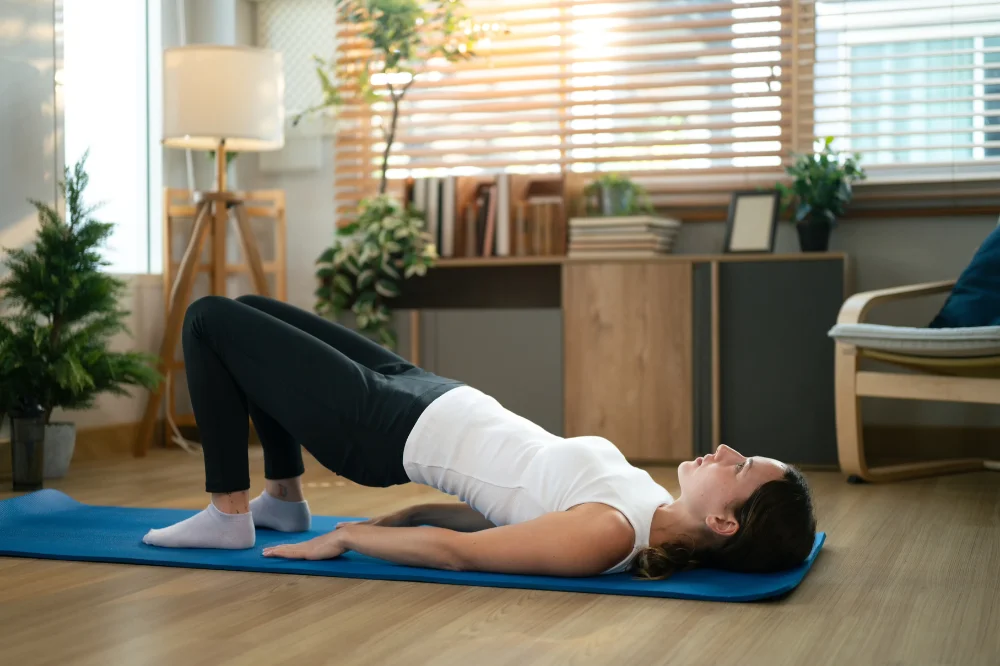
Restorative Classes for Hypermobility: What to Try When You Need to Rest
So, when I wasn’t feeling well recently, like I mentioned above, I listened. I cancelled plans, I rested, I slept, I said no to things. I think this is the way to sustainable progress.
That’s why I created so many restorative resources and classes for The Zebra Club. These gentle classes support our need to rest and restore. We can still rest, but keep the fascia hydrated. Check out these classes if you are feeling or resisting the urge to rest.
One of the reasons I created these restorative classes is that I realized there was very little support out there for the days in between. All we are told is to get stronger and go exercise.
But what about the other days we have? Not the days when you are ready for a full workout, and not the days that you are on total rest – but for those ‘not quite right days’.
Inside The Zebra Club, we’ve deliberately created classes exactly for those moments. These offer gentle, restorative movements so that you don’t have to choose between pushing through and stopping completely.
Here are a few classes that live inside The Zebra Club. If you’re already a member, you can access them now. If you’re not yet a member, consider this a look at what’s waiting for you.
Rest & Restore Program — a collection designed for days when your body needs to step back without stopping entirely
Movement Meditation of Softness — a guided class combining breath and gentle movement to settle the nervous system and a member favorite.
Deep Restorative Relaxation Bolster Class — a supported, prop-based class for when even sitting upright feels like too much.
Post Viral/Illness Recovery — a gentle movement class specifically designed for the recovery window after illness, including colds and viral episodes, but works at any time to soothe the nervous system and get the tissues moving.
These gentle classes support your body’s need to rest and restore. They combine calming breathwork, mindful movement and gentle mobility to help regulate the nervous system, ease muscle tension and keep your fascia hydrated.
If you’re feeling ‘ not quite right’ or resisting the urge to rest, these classes are exactly where I’d encourage you to begin.
If you’re ready to stop fighting your body and start working with it, The Zebra Club was built for exactly that. Join us today.
Already a member? Head straight to the Rest & Restore program.. It’s waiting for you on a day just like this one.